Browsed by
Category: Proof

Matthew the Tax Collector – A Proven Eyewitness
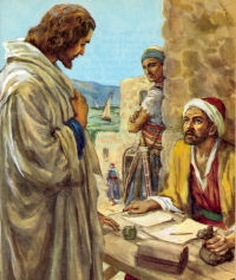
Matthew the Tax Collector – A Proven Eyewitness

Matthew the Tax Collector
Matthew was an eyewitness to many of the events he wrote about

Many “Bible scholars” claim that Matthew relied on Mark’s gospel as the primary source to write his gospel. Why would Matthew the tax collector, one of Jesus’ twelve apostles, rely so much on Mark’s account? The answer?  He didn’t. He was an eyewitness of much of what he wrote, so there was no need for him rely on Mark, who was not an eyewitness, but a recorder of the apostle Peter’s memories (1 Peter 5:13). Both Matthew and Mark wrote their gospels “inspired by God” (2 Timothy 3:16). read more
Is the New Testament Based on Eyewitness Testimony?

Is the New Testament Based on Eyewitness Testimony?

Is the New Testament based on eyewitness testimony? Let’s examine the Bible to find out.

Is the NT based on eyewitness testimony?

“Draw up an account of the things that have been fulfilled among us, just as they were handed down to us by those who from the first were eyewitnesses.” (Luke 1:1,2 NIV) The Bible writer Luke based his accounts on eyewitness testimony.

“You are eyewitnesses of these things.” (Luke 24:48 NIV) Jesus told his disciples they were eyewitnesses.

“This report is from an eyewitness giving an accurate account. He speaks the truth so that you also may continue to believe.” (John 19:35 NLT) – Spoken by the Apostle John. read more

Is the Bible Reliable? — Bible Authenticity

Is the Bible Reliable? — Bible Authenticity

Is the Bible reliable?
Can the Bible be trusted?

Is the Bible reliable? Does it contain myths, or are the stories true? Did the writers simply write down stories they had heard from other people, or did they experience the things firsthand that they wrote about?

The Bible is not made up of cleverly devised fables or myths. “We did not follow cleverly devised myths when we known to you the power and coming of our Lord Jesus Christ” (2 Peter 1:16 NAB).  Many of the Bible writers were actually eyewitnesses of their written accounts.  “But we had been eyewitnesses of his majesty” (2 Peter 1:16 NAB; see also 1 Peter 5:1) Eyewitnesses also handed down their accounts to others who carefully researched these things. (Luke 1:1-3) Still others studied and pondered. (Ecclesiastes 12:9-10) But none came from human will. (2 Peter 1:21) read more

Jesus’ Resurrection – Scriptural Evidence

Jesus’ Resurrection – Scriptural Evidence

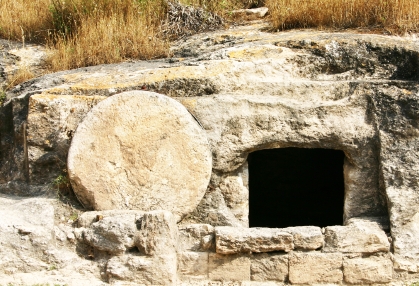
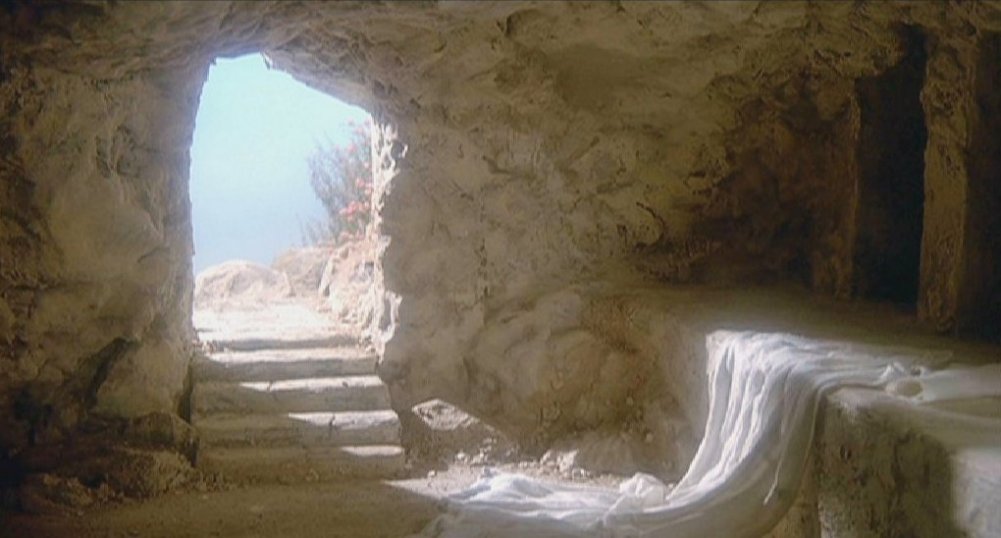
Is there any evidence for the resurrection?
Is there any evidence for the death and resurrection of Jesus?

What scriptural evidence do we have about the resurrection of Jesus? What did people living in the first century think about reports of Jesus’ death and resurrection? Are there clues in the Bible as to whether the story is true or not? Let’s examine some Bible verses to find out.

Matthew 27:57-60; Mark 15:42-46; Luke 23:54-60; John 19:38-42 Joseph of Arimathea and Nicodemus, prominent members of the Jewish ruling council, would have been well known in Jerusalem, as well as to Pilate. This could not be fiction, since this could easily be refuted, if false. read more

Jesus’ Resurrection – Four Lines of Evidence

Jesus’ Resurrection – Four Lines of Evidence

Is there any evidence of Jesus’ resurrection?

“We have confirmation of the words of the prophets”—2 Peter 1:19 NJB

Is the story of Jesus’ resurrection true? If so, how can we be sure? Let’s begin by examining four lines of evidence: that Jesus was really dead, his tomb was found empty, he then appeared to many witnesses, and finally, eyewitness accounts of encounters with the resurrected Jesus.

Jesus' Resurrection
Was Jesus really resurrected?

1.       Jesus was really dead.

a.       Publicly executed before A large crowd. (Matthew 27:39-44; Matthew 27:54-56; Mark 15:29-32; Mark 15:40-41; Lk 23:26-32; Luke 23:35-38; Luke 23:47-49; John 19:19-26) read more

Divergent Details of Jesus’ Trial and Execution – Contradictions?

Divergent Details of Jesus’ Trial and Execution – Contradictions?

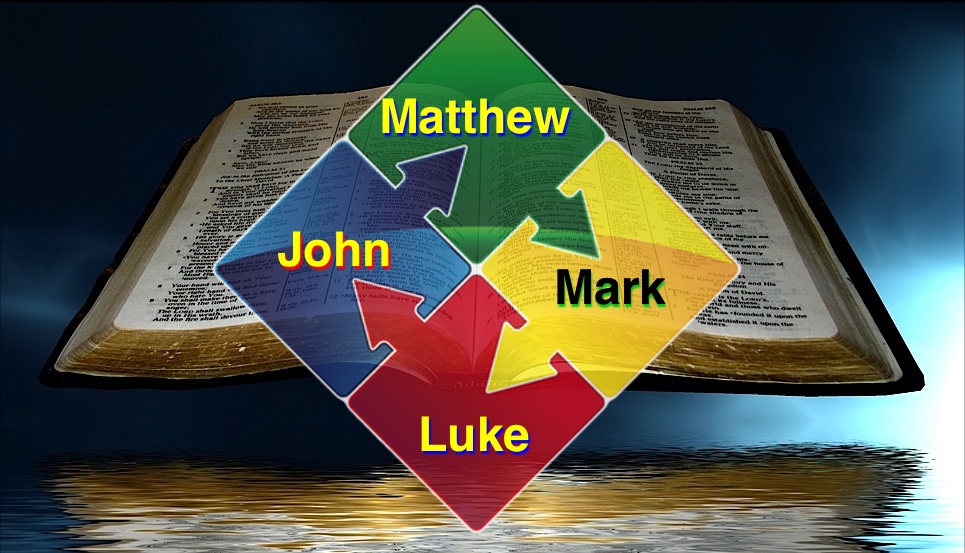
Titles of the Gospels
Are the divergent details in Matthew, Mark, Luke and John regarding Jesus’ trial and execution contradictions, or evidence of authenticity?

All of the gospels tell the same basic story of Jesus’ trial, execution and resurrection, but with divergent details. Are these divergent details contradictions? No. These divergent details give strong evidence the gospel writers are telling the truth, rather than copying from a single fictional account, or writing new fiction, in which the details are harmonized, or smoothed out

Below are some of the divergent, but true, details about the crucifixion of Jesus:

Barrabas

Was described as:

·        Matthew 27:16 – notorious, “well-known” (NIV) read more

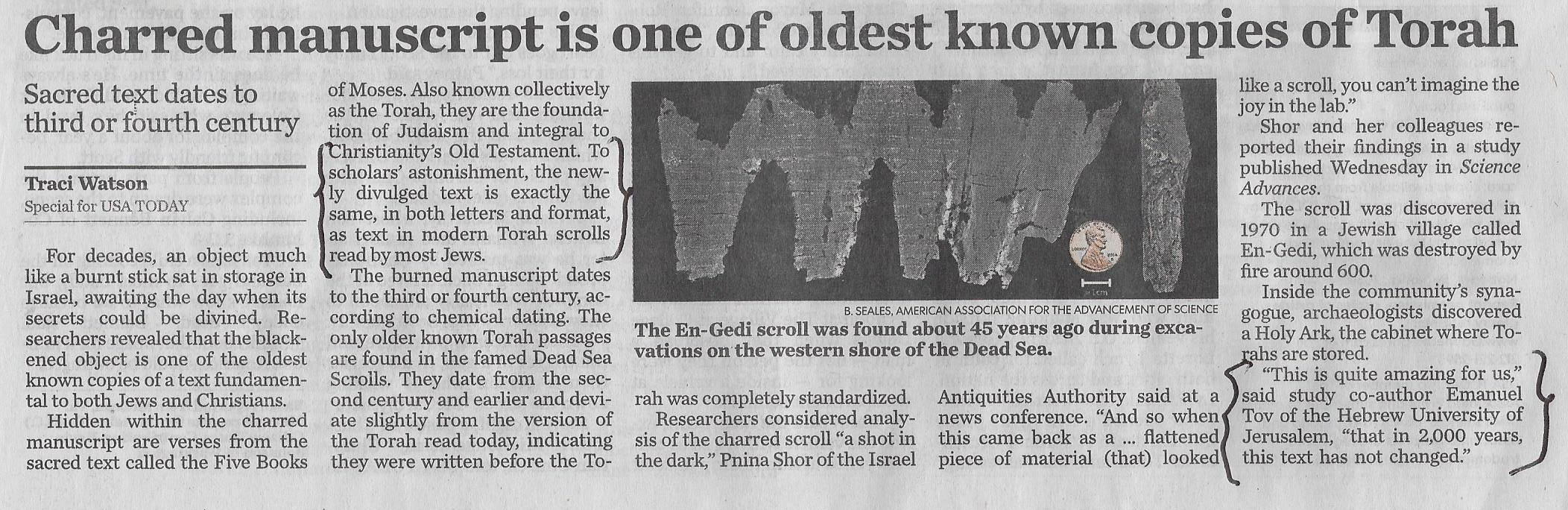
Charred Manuscript is one of Oldest Known Copies of Torah

Charred Manuscript is one of Oldest Known Copies of Torah

Newspaper Article
Click to enlarge

The Bible has not been changed. Through many hundreds of years of hand-copying worn-out scrolls, the Bible did not change. The En-Gedi scroll, discovered in 1970, and featured in the article above, is just one of many proofs of this fact.

“For, ‘all people are like grass, and all their glory is like the flowers of the field; the grass withers and the flowers fall, but the word of the Lord endures forever.’ And this is the word that was preached to you.”—1 Peter 1:24,25 NIV read more

Jude said apostles’ writings were authoritative

Jude said apostles’ writings were authoritative

Some Christians today believe only the actual spoken words of Jesus to be divinely inspired and to be taken as the authoritative word of God, and other Bible writings to be merely the words of man. This is not the way the early Christians viewed things. For example, Jude viewed the Apostles’ teachings and writings as authoritative Scripture, the word of God:

“But, dear friends, remember what the apostles of our Lord Jesus Christ foretold. They said to you, ‘In the last times there will be scoffers who will follow their own ungodly desires.'” (Jude 17-18) read more

Peter’s view of the Old Testament and Paul’s writings

Peter’s view of the Old Testament and Paul’s writings

Some modern Christians believe the Old Testament (OT) was simply the word of man and is fallible, and some even believe that only the words of Jesus were divinely inspired. Below, we will examine the Apostle Peter’s view of the OT and also his view on his fellow apostle Paul’s writings:

“Above all, you must understand that no prophecy of Scripture came about by the prophet’s own interpretation of things. For prophecy never had its origin in the human will, but prophets, though human, spoke from God as they were carried along by the Holy Spirit.” (2 Peter 1:20-21) read more

Jesus Believed the Old Testament the Infallible Word of God

Jesus Believed the Old Testament the Infallible Word of God

Is the Bible reliable?
Jesus believed the Old Testament to be the infallible word of God

Some modern Christians, and virtually all non-Christians, believe the Old Testament (OT) was simply the word of humans and is fallible. However, Jesus Christ Himself believed the Old Testament to be the infallible word of God. Below, we will use scriptural quotations followed by comments to show why this is true:

“But do not think I will accuse you before the Father. Your accuser is Moses, on whom your hopes are set.  If you believed Moses, you would believe me, for he wrote about me. But since you do not believe what he wrote, how are you going to believe what I say?” (John 5:45-47) The revelation God gave Moses is inseparable from the revelation God was giving through Jesus. read more

WP2Social Auto Publish Powered By : XYZScripts.com