“It is God who judges” (Psalm 75:7), ultimately, but is exposing false teaching wrongly judging?
Indeed, “who are you to judge someone else’s servant? To their own master, servants stand or fall, for the Lord is able to make them stand . . . You, then, why do judge your brother or sister? Or why do you treat them with contempt? For we will all stand before God’s judgment seat” (Romans 14:4,10 NIV).
However, in certain areas we are called upon to make judgments, reasonable people will agree. For example:read more
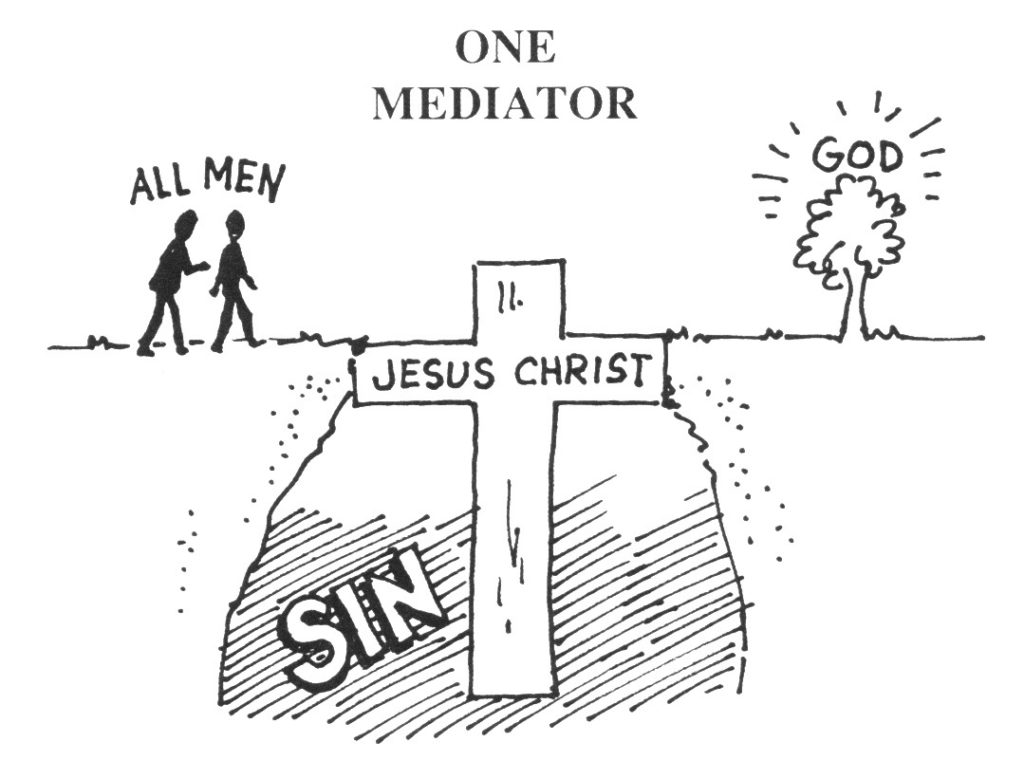
Jesus is the Mediator between God and man. Yet Trinitarians claim Jesus is God.
The Bible says there is only ‘one mediator between humans and God.’ Who, or what, is that?
“This, then is how you should pray: ‘Our Father in heaven . . . ‘”—Matthew 6:9 NIV.
“No one comes to the Father except through me”—John 14:6
“There is one God and one mediator between God and mankind, the man Christ Jesus”—1 Timothy 2:5 NIV
While they all give ‘lip service’ (Mark 7:6-13) to the principles that the scriptures above express, Christian denominations have differing views on the exactly how the mediatorial relationship between them and God operates. So, yes, they all “say” that Jesus is the mediator, but in actual practice things are not exactly the way the Bible says they should be. For example, Catholics teach that Christians must go through their priesthood and their hierarchy, including their Pope, to have a relationship with God. Others teach that one can only have a relationship with God through their particular denomination, organization, or church. Some have even thought, or taught that a relationship with God was only possible through one particular pastor. Trinitarians often simply ignore this vital relationship. Let’s make clear what the scriptures say about this:
“The true worshippers will worship the Father”—John 4:23
“I am the gate; whoever enters through me will be saved”—John 10:8 NIV.
The Father of Jesus, Almighty God, is the only one who should be worshipped, according to the scriptures. But we must go through his Son, Jesus Christ, to have this relationship. Why?
“Christ came as high priest of the good things that are now already here”—Hebrews 9:11 NIVread more
Are the Doctrines of Purgatory and Hellfire in the Bible?
“Those who contend with you shall be as nothing and will perish . . . Those who war with you will be as nothing and non-existent”—Isaiah 41:11,12 LSB; NASB
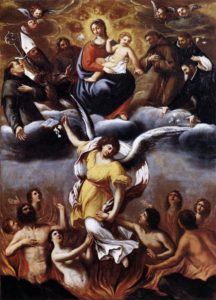
The Bible teaches that death is non-existence. Purgatory is a Catholic doctrine which teaches there is an intermediate state after physical death in which some of those ultimately destined for heaven must first undergo purification, so as to achieve the holiness necessary to enter the joy of heaven, holding that certain offenses can be forgiven in this age, but certain others in the age to come. But what does the Bible teach? Let’s compare some Catholic claims about the doctrine of Purgatory to the Scriptures.
Is the doctrine of Purgatory a true Biblical teaching?
Catholics claim:
Those that build their foundations on wood, grass or straw will be burned when we are purified to go to purgatory. Yet they will saved though only as men are saved by passing through fire. All people who go to purgatory will be saved though suffering (fire).
THE BIBLE SAYS:
Paul was using word pictures, such as metaphors, in the account at 1 Corinthians 3:10-17. He uses simile in verse 15 saying “the person will be saved, but ONLY AS THROUGH FIRE.” (Catholic New American Bible [NAB])
The fire is figurative for spiritual cleansing and difficulty prior to death, not after! Even the Catholic New American Bible (NAB) footnote on this verse admits: “THE TEXT OF V 15 HAS SOMETIMES BEEN USED TO SUPPORT THE NOTION OF PURGATORY, THOUGH IT DOES NOT ENVISAGE THIS.”
Catholics claim:
1 John 5:16 gives us the idea that there are sins “unto death” and sins that “are not unto death.” Sins that are unto death are those sins committed that kill the soul. Those sins that are not unto death are those sins that injure the soul but do not kill it. These are the sins that are forgiven in purgatory. We see purgatory all over the Old Testament sometimes called the bosom of Abraham or Sheol.
THE BIBLE SAYS
When you actually look at the scriptures, such as 1 John 5:16, you’ll see that it says: “IF ANYONE SEES HIS BROTHER SINNING, if the sin is not deadly, he should pray to God.” (NAB) This is obviously talking about a brother that is sinning who is still alive, not someone who is dead in “purgatory.”